
About us
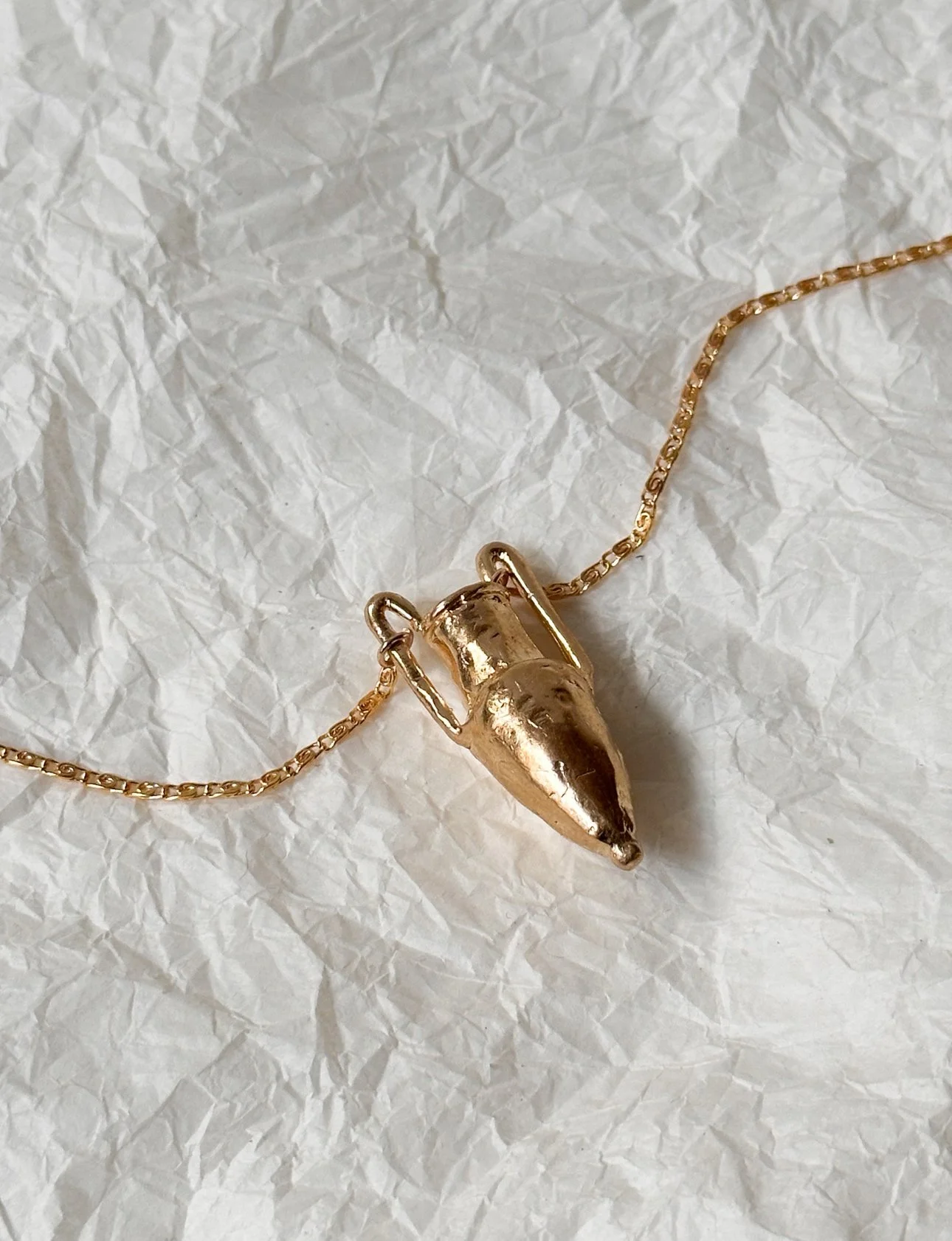
Heron and Lamb is a female-owned jewelry collection based in Chicago, inspired by the natural world and the excavation of ancient artifacts. Each collection evokes a sense of nostalgia, romanticism, and natural imperfections, while themes of history, science, and archaeology remain ever-present throughout the designs.
Founded by Raven Locadia in 2011, Heron and Lamb has evolved through a mastery of multimedia techniques, expanding the depth and diversity of each collection. With a deep passion for history and archaeology, Raven integrates the construction and functionality of excavated vessels into her signature vessel jewelry, honoring the unique purposes these shapes once held in ancient civilizations.
Each piece is enriched by the echoes of the past, seamlessly melding antiquity with modern craftsmanship. Designed to be both raw and refined, Heron and Lamb’s jewelry bridges the gap between historical symbolism and contemporary artistry, creating wearable relics of timeless beauty

Design and Craft
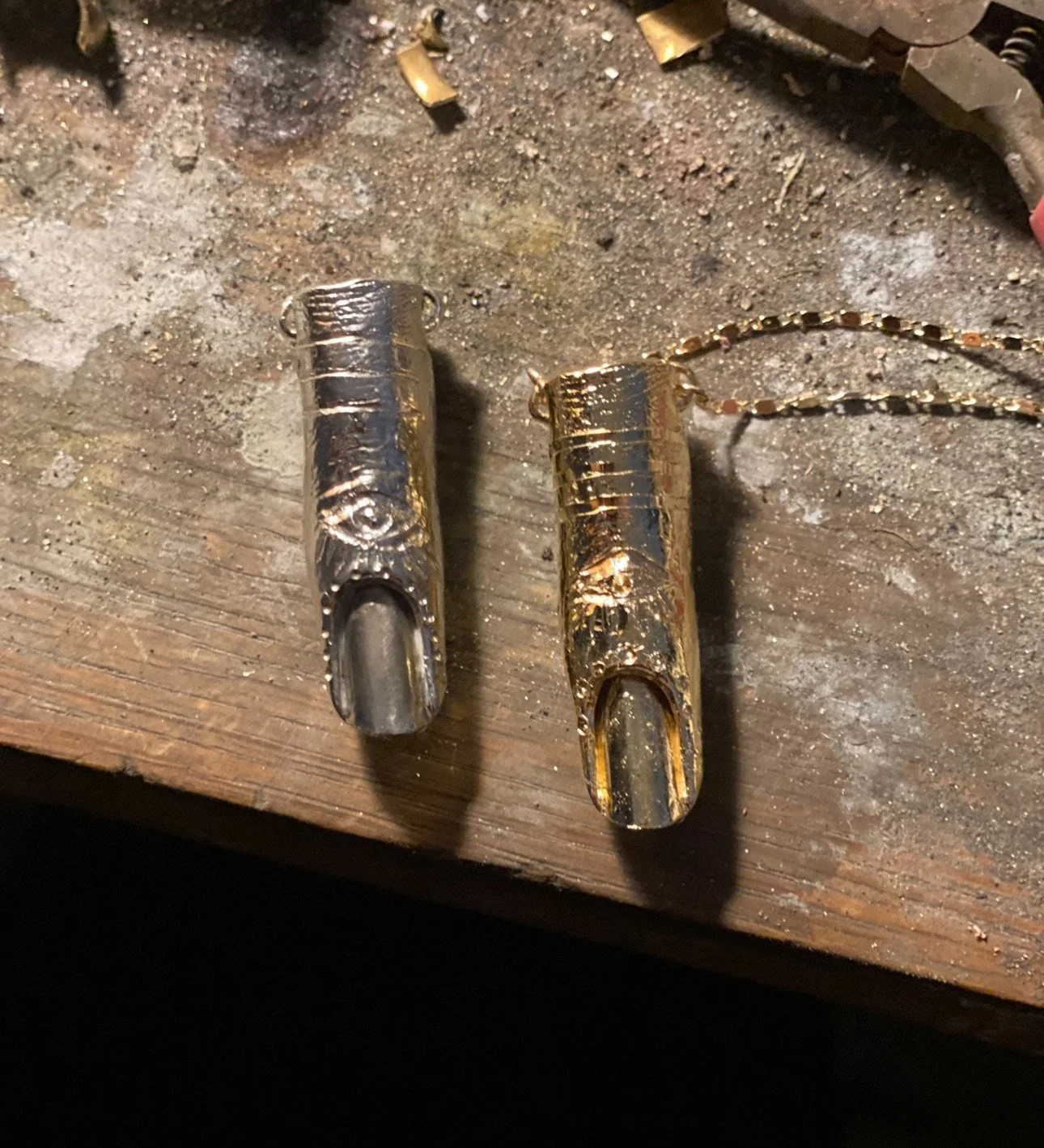
Designed in Chicago
All original designs and samples are developed and initially fabricated by hand in our chicago studio. This hands-on process shapes the form, scale, and detail of each piece before it ever enters production—ensuring every design begins with touch, intention, and material understanding and every detail shapes each collection
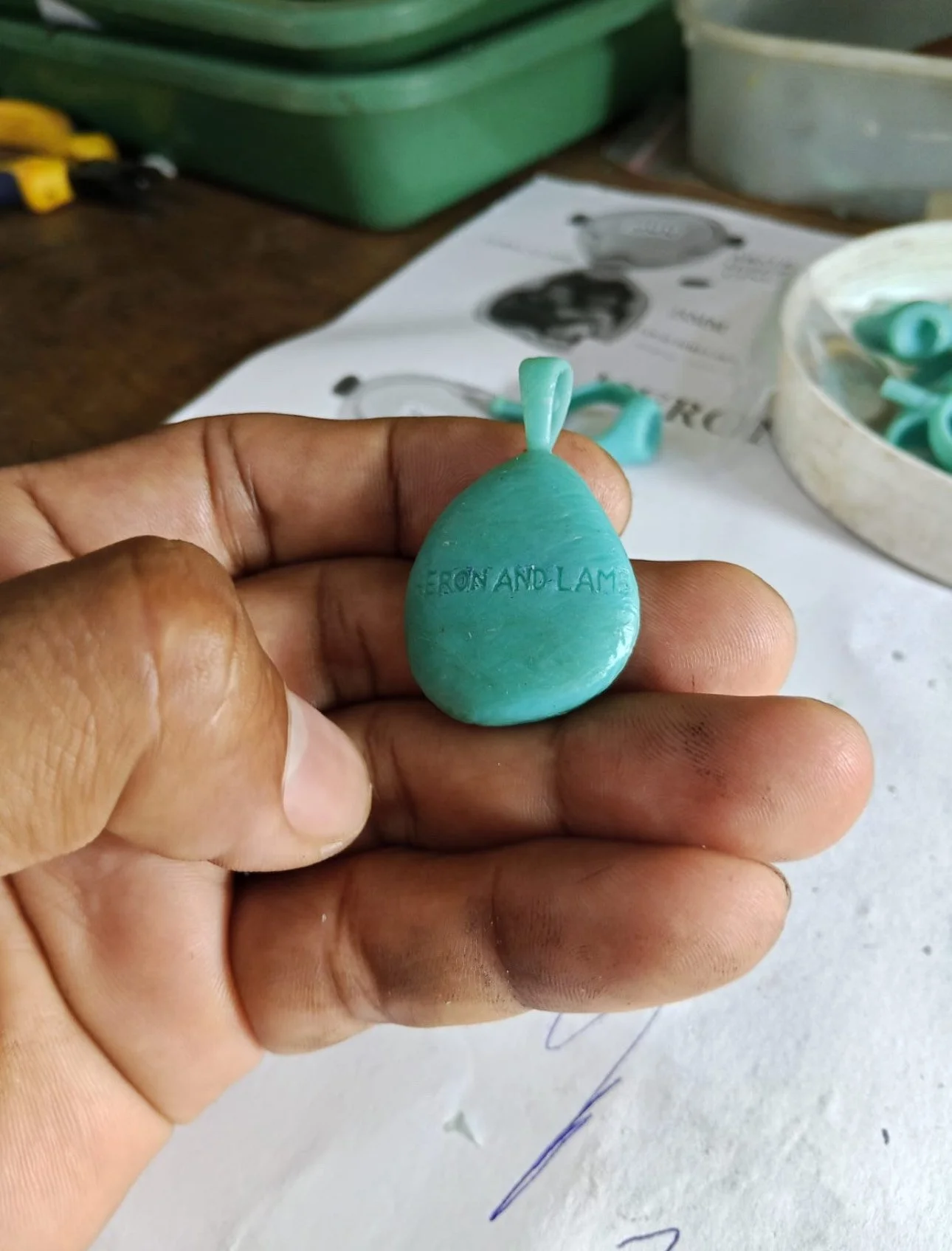
Crafted with Global Artisans
What began entirely in our Chicago studio has expanded into collaborative production with trusted partners in historic craft regions, allowing the work to grow while maintaining integrity and intention. Our core collections are crafted in collaboration with trusted artisan partners in historic craft regions from the USA, Indonesia, and India, and Italy. These long-standing relationships allow our original designs to be produced with care, skill, and respect for traditional techniques produced by hand
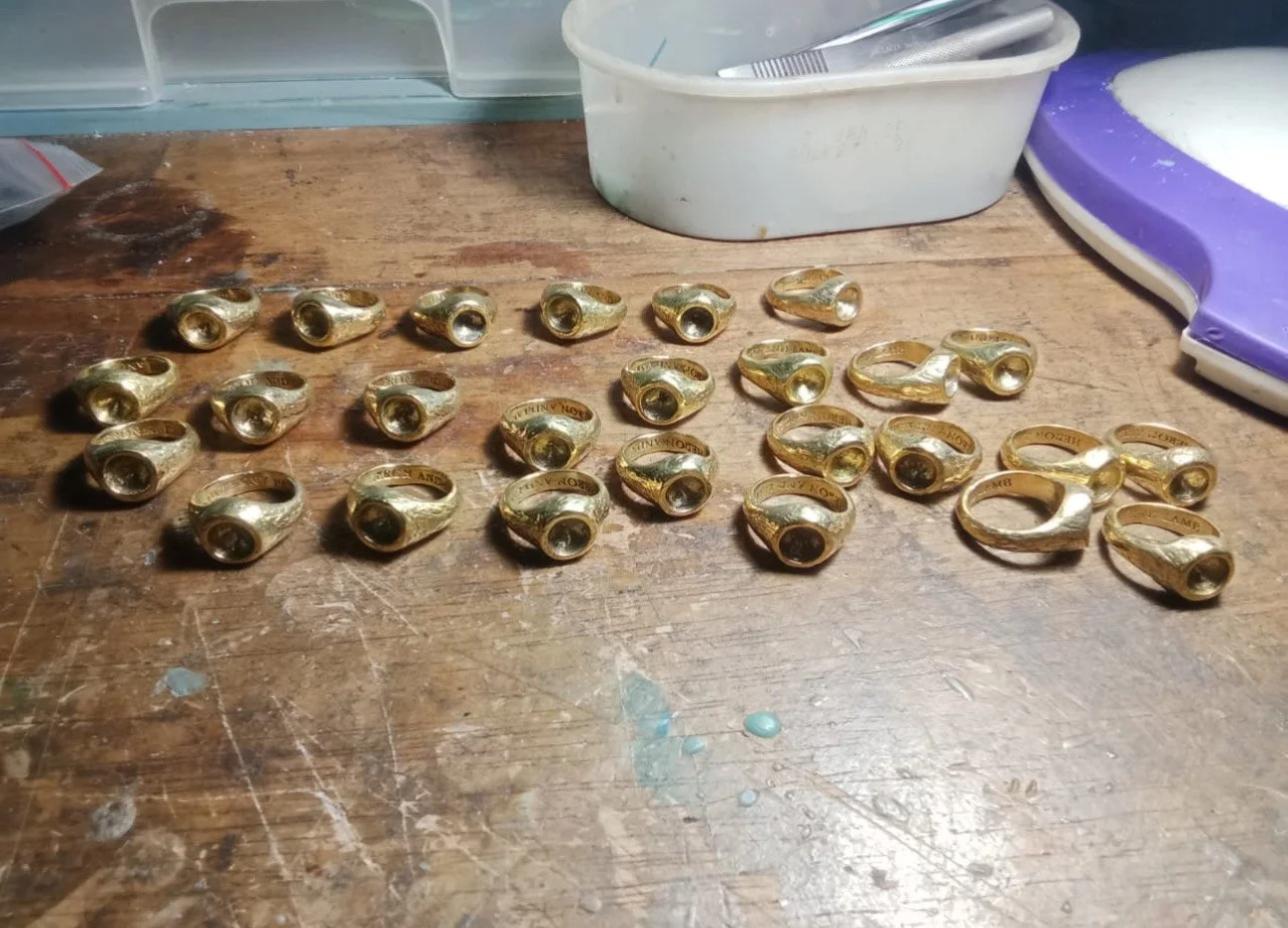
Thoughtful Materials
We work with materials chosen for longevity and character, including responsibly sourced gemstones and recycled metals whenever possible. Natural variation is embraced—each piece reflecting the material’s inherent imperfections rather than uniformity.